

In the modern beauty industry, packaging is no longer simply a container to protect the product; it's a crucial factor influencing consumer purchasing decisions. The right cosmetic jar can extend a product's shelf life, ensure the potency and safety of the formula, enhance visual impact, and enhance brand identity. Especially in a highly competitive market, well-thought-out packaging can help a product stand out on the shelf. This article will explore how to choose the right cosmetic jar from multiple perspectives, including material, size, sealing method, design language, and environmental trends. Furthermore, it will incorporate case studies to help brands establish a distinct advantage in the market.
1. Material Selection: The Foundation of Quality and Experience
2. Size and Capacity: From a User Experience Perspective
3. Seals and Closures: Ensuring Product Stability and Safety
4. Design Language: Communicating Visual and Brand Values
5. Environmental and Sustainability Trends
1. Material Selection: The Foundation of Quality and Experience
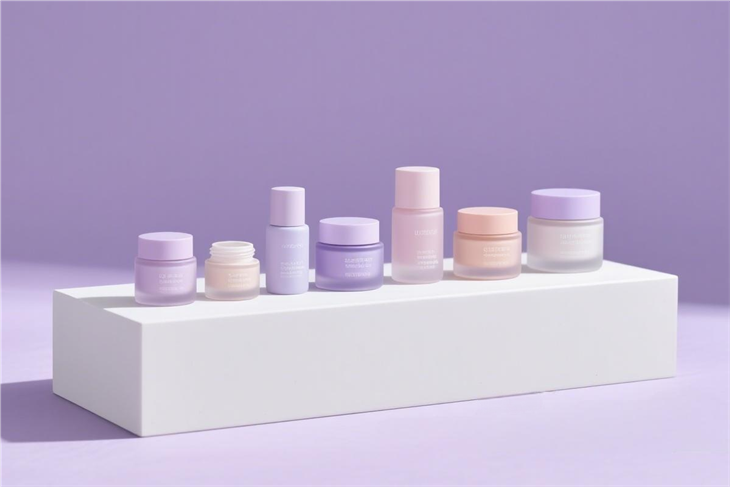
The material of cosmetic jars directly influences product preservation and user experience. Glass jars offer high barrier properties and excellent oxidation resistance, effectively protecting highly active formulas like serums and creams. Their crystal-clear texture adds a premium feel, making them suitable for high-end products. They are also recyclable and align with sustainable development trends. However, glass is heavy and fragile, making it unsuitable for portable products. Plastic jars are lightweight, shatter-resistant, and cost-effective, making them widely used in body care and daily skincare products. An increasing number of brands are opting for PCR-based recycled plastics or bio-based plastics to reduce their environmental impact, but their barrier properties and premium feel are inferior to glass. Metal jars, such as aluminum and tin, are lightweight, light-proof, and moisture-resistant, making them particularly suitable for creams and powders. Their metallic sheen adds a stylish touch and are highly recyclable. Therefore, different materials not only influence functionality but also reflect brand positioning.
2. Size and Capacity: From a User Experience Perspective
The size and shape of cosmetic jars directly impact consumer convenience and product positioning. Miniature bottles are ideal for eye creams, travel kits, or high-end serums, offering portability and minimizing waste while lowering the barrier to first-time consumers. Standard-sized bottles are commonly used for face creams, facial masks, or body lotions, catering to daily consumption habits and offering a suitable volume. Large-capacity jars are more suitable for body care or use in professional beauty salons, featuring wide openings for quick access. Furthermore, innovative design is a key factor in enhancing product appeal. Square jars, custom-shaped jars, and double-layered jars can meet storage needs while enhancing visual differentiation and further strengthening brand recognition.
3. Seals and Closures: Ensuring Product Stability and Safety
Cosmetic formulas often contain active ingredients that are sensitive to air, light, and contaminants, making seal design crucial. Twist-off caps are a classic design with a secure seal, making them ideal for highly viscous products like face creams and hair masks. Flip-top caps are easy to operate with one hand and are ideal for frequently used skincare products. A gasket further prevents air and dust from entering, preserving the freshness of the product upon first opening. Tamper-evident seals not only provide additional protection during shipping but also enhance consumer trust. A scientifically sound sealing design is crucial for ensuring product safety and extending its lifespan.
4. Design Language: Communicating Visual and Brand Values
Cosmetic jars not only carry their contents but also serve as a crucial vehicle for brand image. The combination of color and material can convey distinct brand sensibilities. Matte finishes convey a sense of luxury, transparent jars emphasize purity, and metallic embellishments create a luxurious effect. Printing and labeling should clearly convey ingredient and efficacy information, avoiding overly flashy, yet unrealistic, design. Tactile feel and finish are also key to enhancing the user experience. Soft coatings and matte finishes can create a sense of ritual when opening and using the product. Through differentiated design and detailing, brands can make their packaging instantly recognizable on the shelf, further strengthening their market competitiveness.
5. Environmental and Sustainability Trends
With growing consumer awareness of environmental protection, cosmetic packaging is increasingly shifting towards sustainability. Choosing recyclable materials such as glass, aluminum, or PCR plastic is a major trend. Introducing removable liner designs can reduce overall packaging waste. Simplified designs eliminate redundant packaging and decoration, helping to reduce carbon emissions. Establishing a green supply chain is also crucial; partnering with environmentally certified suppliers can enhance brand reputation. Environmental protection is no longer just a market trend; it's a crucial link in building long-term trust between brands and consumers.
6. Case Study: Zhejiang Cosme Industry Co., Ltd.
As an influential cosmetics packaging manufacturer, Zhejiang Cosme Industry Co., Ltd. has been deeply engaged in packaging and mold research and development for over a decade. Located in Zhejiang, the company boasts a modern factory and, with its stable R&D and production systems, has established a prominent position in the global packaging industry.
In terms of technology and innovation, Cosme Packaging holds over 20 patents, including several core invention patents. With continuous investment in R&D, the company offers clients one-stop customized services, from creative design and mold development to mass production, ensuring that every packaging design precisely meets brand needs.
In terms of production capacity and delivery, the factory has the capacity to produce 500,000 pieces per day and can achieve monthly color printing processing in the tens of millions, fully capable of meeting large-scale and fast delivery needs.
In terms of green manufacturing, Cosme Packaging actively utilizes environmentally friendly raw materials such as PET, PP, and PE, and is at the forefront of the industry in the use of PCR recycled materials and recycled ocean plastics. The company is also exploring biodegradable materials such as PLA, PHA, and PBAT, as well as straw-based materials, to provide customers with innovative packaging solutions that balance environmental friendliness and practicality. Through lightweight design and the development of recyclable, homogeneous materials, Cosme Packaging helps customers streamline recycling processes and promote the development of a circular economy. Furthermore, the company supports interchangeable packaging components, providing strong support for customers' sustainable development goals.
Adhering to the philosophy of "Technology-Driven, Green Manufacturing," Zhejiang Cosme Industry Co., Ltd. is committed to leading the cosmetics packaging industry towards a more environmentally friendly and efficient future and contributing to global carbon neutrality goals.
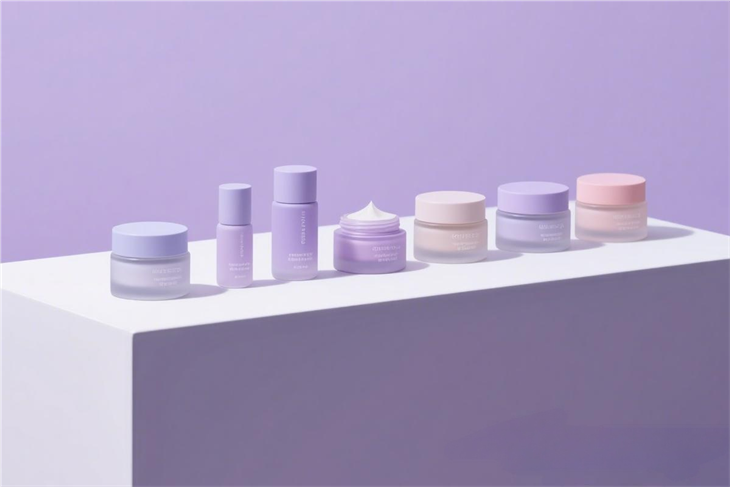
A cosmetics jar is more than just a container; it is an essential extension of the product's value. From material selection to capacity design, from sealing technology to visual design, and even to environmental awareness, every detail impacts the product's lifespan and market performance. For brands, scientifically selecting packaging is equivalent to adding another layer of quality assurance during product development.
In the fiercely competitive beauty industry, cosmetic jars that balance functionality, aesthetics, and environmental friendliness are the true "invisible weapon" that can help products win consumer favor. As a proactive industry leader, Zhejiang Cosme Industry Co., Ltd. will continue to leverage technological innovation and environmental awareness to provide high-quality packaging solutions to global cosmetics brands, helping the industry move towards a more sustainable future.