

In the $500 billion global beauty industry, packaging isn't just a container-it's a critical touchpoint for brand identity, consumer safety, and sustainability. For cosmetic and skincare packaging purchasers, navigating this complex landscape requires mastery of interdisciplinary knowledge, from material science to regulatory compliance. At COSME Packaging Solutions, we empower global distributors and brands with cutting-edge packaging innovations. This guide outlines the core knowledge systems every procurement professional must master to excel in today's competitive market.We have prepared professional knowledge for you to understand so that you can make a better choice.
Contents
1.Material Science Fundamentals
2.Regulatory Compliance & Global Standards
3.Design & Functional Requirements
4.Supplier Evaluation & Supply Chain Optimization
5.How to Choose the Distribution Channel for Your Cosmetic Samples
6.Sustainability & Circular Economy Practices
7.Cost Engineering & Value Analysis
8.Emerging Technologies in Packaging
9.Frequently Asked Questions regarding Cosmetic Packaging Materials
1. Material Science Fundamentals
Understanding packaging materials is the cornerstone of procurement. Key categories include:
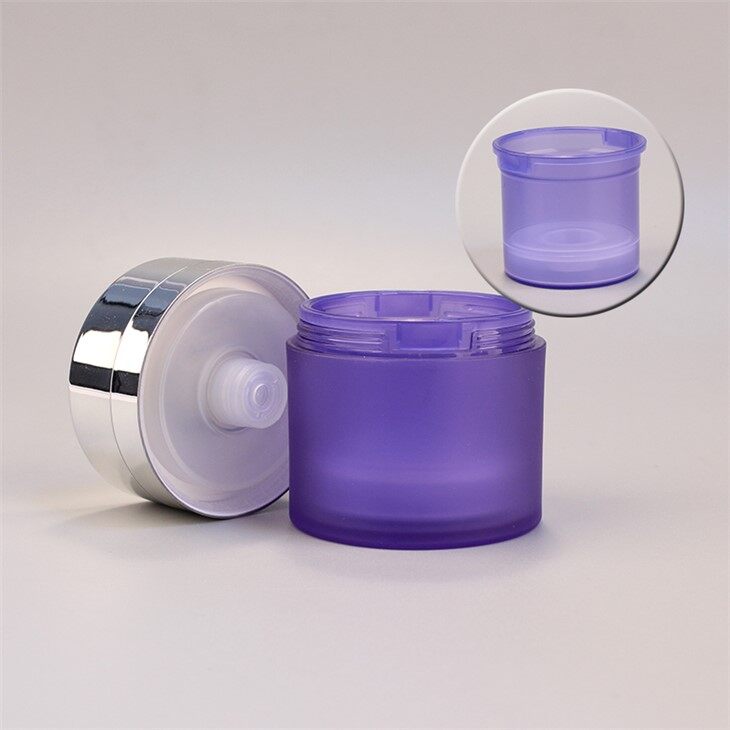
Plastics: Lightweight, cost-effective options like PET, PP, and ABS dominate skincare bottles and jars. PETG is preferred for transparency and chemical resistance.
Glass: Ideal for premium serums and perfumes due to its non-reactive properties and luxury appeal. However, it requires careful handling and has higher carbon footprints.
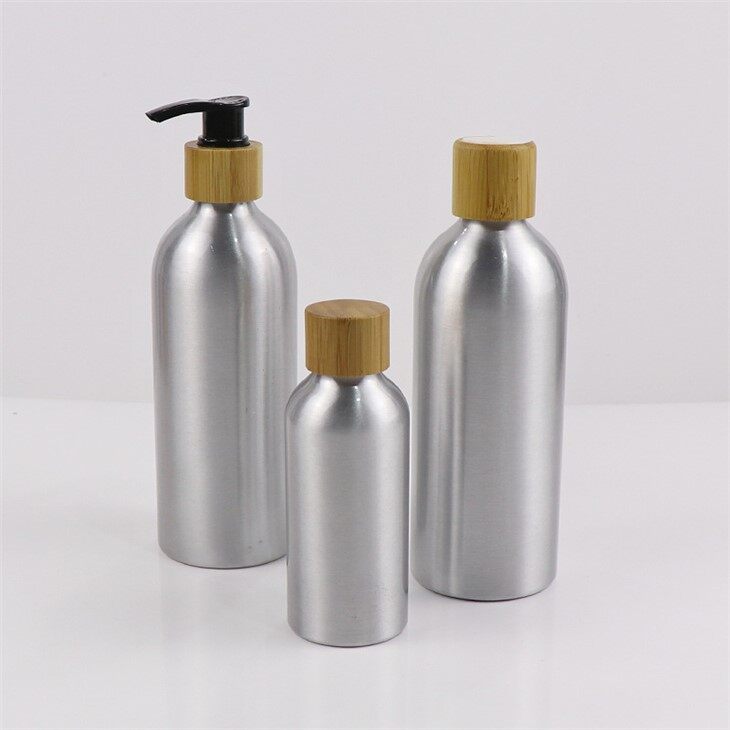
Metals: Aluminum tubes and aerosol cans offer superior barrier protection for oxygen-sensitive creams.
Eco-materials: Biodegradable PLA, recycled PCR plastics, and reusable bamboo containers are rising in demand.
Procurement teams must evaluate material durability, compatibility with formulations (e.g., preventing leaching), and alignment with brand aesthetics.
2.Regulatory Compliance & Global Standards
Navigating global regulations ensures market access and consumer safety:
FDA (U.S.): Mandates ingredient listings, warning labels (e.g., "Avoid contact with eyes"), and child-resistant closures for certain products.
EU REACH: Restricts hazardous substances like phthalates and requires full supply chain transparency.
ISO 22716: Certifies Good Manufacturing Practices (GMP) for cosmetic packaging hygiene.
Labels must include multilingual safety instructions, batch codes, and recyclability symbols. For instance, EU markets require the "green dot"symbol for recyclable packaging.
3.Design & Functional Requirements
Packaging design balances aesthetics, usability, and technical performance:
Ergonomics: Pump dispensers for serums must ensure precise dosing; airless bottles prevent oxidation.
Branding: High-gloss finishes, embossing, or silk-screen printing enhance shelf appeal. For example, matte textures convey "clean beauty" minimalism.
Smart Packaging: NFC tags for authenticity checks and QR codes linking to usage tutorials are gaining traction.
4.Cosme Supplier Evaluation & Supply Chain Optimization
Selecting reliable partners involves:
Technical Audits: Verify capabilities in mold-making, injection molding, and decoration processes (e.g., hot-stamping).
MOQ Flexibility: Suppliers like COSME offer scalable production from 5,000 to 500,000 units to accommodate startups and multinationals.
Lead Time Management: Integrated IIoT systems enable real-time tracking of raw material stocks and production schedules.
5.How to Choose the Distribution Channel for Your Cosmetic Packing Samples
The right distribution channel can have a huge impact on the success of your cosmetic sample. With limited resources, you need to carefully choose your distribution channel in order to reach your target audience. Evaluating which option is more effective will help you find the right solution.
As experts in cosmetic packaging materials, Cosme is here to help. In this article, we will outline the advantages of each major distribution channel, help you choose between them, and then provide other ways to choose better packaging materials.
We also provide solutions for cosmetic packaging materials, contact us now!
The channel you choose ultimately depends on your needs, and which stage of your marketing journey you're at.
Online sample distribution is the way to go if you want to market your cosmetics more, allowing you to reach more people. For cost-efficiency, spreading your message, reaching your audience, and getting your branding in front of the customer, online channels are key.
Sustainability
More and more, sustainability is becoming a crucial focus point for customers across the UK. Rather than "single-use throwaways", our cosmetic sampling solution provides recyclable sachets made from polypropylene.
Branding
A major benefit of cosmetic samples is getting your brand in front of the customer. We can manufacture cosmetic samples with your branding, offering a bespoke sampling solution to entice and excite your customers.
6.Sustainability & Circular Economy Practices
With 60% of consumers prioritizing eco-friendly packaging, purchasers must adopt:
Zero-Waste Designs: Monomaterial packaging (e.g., all-PET) simplifies recycling.
Refill Systems: Luxury brands like La Mer now offer refillable jars, reducing plastic use by 70%.
Carbon Neutrality: Partner with suppliers using renewable energy and offset programs.
Cosme Sustainable cosmetic packaging choices include the use of PCR (post-consumer recycled) material, biodegradable material, glass, and aluminum. The goal is to reduce the use of plastic, which has a significant negative impact on the environment.
PCR material is made from recycled plastics and can be used for a variety of cosmetic packaging components like jars, bottles, and caps. Using PCR helps to reduce the amount of plastic waste that goes to landfills.
Glass has been used for packaging for centuries, and it is still one of the best sustainable options available. Glass is recyclable, and it does not release any harmful chemicals when it breaks down.
Aluminum is also an excellent option for sustainable cosmetic packaging. It is infinitely recyclable, and it is lightweight, which helps to reduce shipping emissions.
COSME's EcoBlend line uses 100% post-consumer recycled glass and biodegradable inks.
7.Cost Engineering & Value Analysis
Optimize budgets without compromising quality:
Tooling Costs: Family molds allow multiple components (e.g., caps and bottles) to be produced in one cycle, slashing costs by 30%.
Total Cost of Ownership (TCO): Factor in logistics, tariffs, and waste management. For example, lightweight PET bottles reduce shipping fees.
By working with Cosme, your business can take advantage of a key component of value engineering packaging – namely theoretical compression testing.
By taking into account numerous factors including material, size, product being transported, construction, height at which it needs to be stacked and numerous other criteria, the exact performance of each new packaging design can be calculated accurately.
If your packaging is found to be out of specification, costs can be reduced by changing the material or changing the construction (to make more efficient use of the material or to increase strength). Of course, this must remain within the specified performance tolerances.
Even if the current performance level is correct, it may be possible to save costs and even storage space by re-specifying the materials used – which in turn reduces packaging costs. This includes not only using different materials, but also eliminating secondary packaging.
By taking an engineering approach to packaging design and specification, it ensures that you will only notice one difference – the cost! Cost savings can often amount to thousands of pounds over the course of a year – and without compromising packaging performance!
8.Cosme Emerging Technologies
AI-Driven Design: Algorithms predict material performance and simulate drop tests.
3D Printing: Enables rapid prototyping of custom-shaped containers.
Blockchain: Ensures traceability of recycled content.
printing process
Silk screen: The effect after printing has obvious concavity and convexity. Because it is a layer of ink. The silk-screened regular bottles (cylindrical type) can be printed at one time. One-time cost of other irregular pieces. Color is also a one-time fee. And it is divided into two types: self-drying ink and UV ink. The self-drying ink is easy to fall off for a long time and can be wiped off with alcohol. UV ink has obvious bumps to the touch and is difficult to wipe off.
Hot stamping: a thin layer of paper is stamped on it. Therefore, there is no bumpy feel of silk screen printing. And hot stamping is best not directly on the two materials of PE and PP. Need to perform thermal transfer first and then hot stamping. Or a good bronzing paper can also be directly bronzed. Hot stamping is not allowed on aluminum plastic, hot stamping can be done at full speed.
Water transfer: It is an irregular printing process carried out in water. The printed lines are inconsistent. And the price is more expensive.
Thermal transfer: thermal transfer is mostly used for large-volume and complex printing products. Belongs to attach a layer of film to the surface. The price is too expensive.
Offset printing: mostly used for aluminum-plastic hoses and all-plastic hoses. If the offset printing is made of colored hoses, you must use silk screen printing, as the offset printing will show through the background color. And sometimes a layer of bright film or sub-film is attached to the surface of the hose.
9.Frequently Asked Questions regarding Cosmetic Packaging Materials
Q: How do I choose between glass and plastic for luxury skincare?
A: Glass conveys premium quality but increases shipping costs. Consider PCR plastics with metallized coatings for a luxury feel.
Q: What certifications should my packaging supplier have?
A: Prioritize ISO 9001 (quality management), ISO 14001 (environmental management), and BRCGS Packaging Safety.
Q: Can COSME handle small-batch customized orders?
A: Yes! Our modular production lines support orders from 1,000 units with 8-week lead times. Explore our portfolio at www.cosme-packagings.com/custom.
Q: How to ensure packaging complies with EU Green Deal requirements?
A: Use recyclable monomaterials and avoid black plastics (unrecyclable in most systems). COSME provides compliance consulting services.
Mastering these knowledge systems positions purchasers as strategic partners in brand growth. At COSME Packaging Solutions, we combine technical expertise with sustainable innovation to deliver packaging that captivates consumers and complies with global standards. Contact us at sales01@cosme-packaging.com or sales@cosme-packaging.com to transform your packaging strategy.