

In today's competitive beauty market, packaging is far more than just a container-it's a storyteller, the first touchpoint of user experience, and a silent salesperson. Custom packaging has become a key strategy for independent beauty brands to stand out. Whether you're a startup or an established brand, how can you transform a creative concept into a tangible, memorable packaging solution? This guide walks you through the journey.
Why Custom Packaging Matters for Beauty Brands
In the age of social media, the "unboxing experience" itself has become shareable content. Studies show that 72% of consumers say packaging design directly influences their purchase decisions, while over 60% of beauty shoppers are willing to try a new brand because of aesthetically pleasing packaging. Custom packaging not only elevates perceived value but also:
- Strengthens brand recognition and consistency
- Creates a unique consumer experience
- Communicates brand values and positioning
- Enhances shelf appeal in-store and online
- Supports sustainability and eco-friendly initiatives


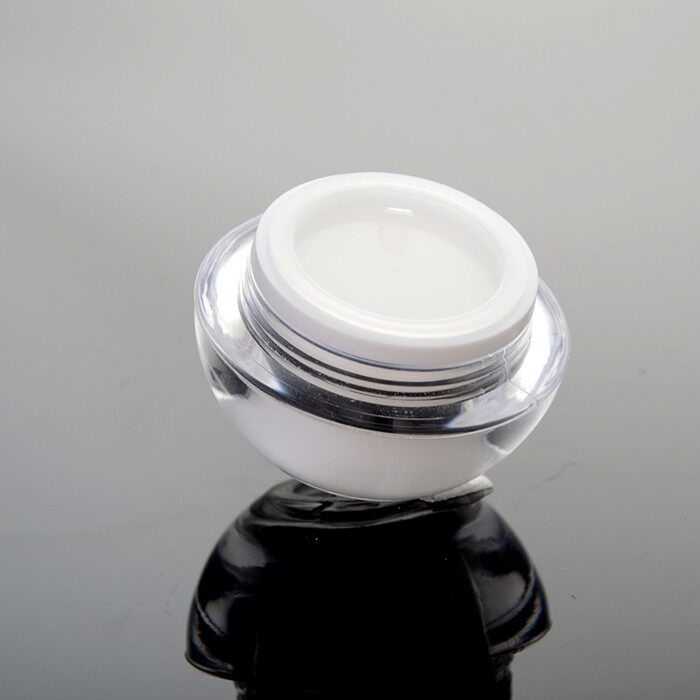

The Complete Process of Custom Cosmetic Packaging
Phase 1: Concept Development & Brand Positioning
Successful custom packaging starts with a clear brand strategy. In this phase, define:
- Target Audience Insights – Understand preferences, values, and habits
- Brand Story Integration – How will packaging visually express your core message?
- Competitive Research – Identify industry trends and differentiation opportunities
- Functional Requirements – Protection, usability, sustainability, and compliance
Phase 2: Creative Design & Prototyping
This stage turns ideas into visual and physical form:
- Structural Design – Innovative formats (refillable systems, multi-functional components)
- Material Selection – Explore glass, PCR plastics, bio-based materials, metals, and more
- Surface Finishing – Foil stamping, embossing, spot UV, silk screening, etc.
- Sustainability Integration – Designs that minimize material use and support recycling/reuse
- 3D Modeling & Prototyping – Test form, function, and user experience
Phase 3: Engineering & Production Preparation
Ensuring designs are production-ready and cost-effective:
- Engineering Review – Strength, assembly logic, and manufacturability analysis
- Mold Development – Precision tooling for injection molding, blow molding, etc.
- Material Testing – Chemical compatibility, durability, and safety validation
- Color Management – Consistency across production batches
- Cost Optimization – Balancing design impact with production efficiency
Phase 4: Manufacturing & Quality Assurance
Scalable production with consistent results:
- Production Oversight – Ensuring processes meet specifications
- Multi-Stage QC – Raw materials, in-process checks, and final inspection
- Eco-Conscious Manufacturing – Reducing energy use and waste
- Packaging & Logistics – Safe, efficient shipping solutions

Innovative Trends in Custom Packaging
Sustainable Solutions
- Refillable and reusable packaging systems
- Packaging made from ocean-bound recycled plastics
- Biodegradable or compostable materials
- Minimalist designs that use less material
Smart & Interactive Packaging
- NFC tags for product authentication and digital engagement
- AR-enabled packaging for virtual try-ons
- Thermochromic inks that change color with touch
Inclusive Design
- Easy-open features for accessibility
- Braille labeling for visually impaired users
- Multi-functional designs for diverse usage scenarios
Enhanced Sensory Experience
- Unique textures and surface finishes
- Scent-release capsules
- Distinctive opening/closing sounds
Real-World Success Stories
Case 1: A Clean Beauty Brand's Sustainable Journey
One skincare brand launched packaging made from ocean-recycled plastics with refillable inner pods, reducing plastic use by 70%. The minimalist design highlights their eco-commitment and became central to their brand story.
Case 2: Luxury Makeup as Art
A niche color cosmetics brand collaborates with local artists to release limited-edition packaging each season. Using embossing and specialty inks, they create collectible pieces that customers love to share online.
Case 3: Functional Skincare Innovation
For travelers and professionals, a brand developed an all-in-one compact that stores serum, moisturizer, and SPF separately and dispenses them in perfect ratio. It solved a real user pain point with smart design.
Practical Tips for Independent Brands
- Start Small – Begin with custom labels, sleeves, or inserts on standard packaging
- Define Priorities – Decide what matters most: sustainability, luxury feel, or functionality
- Partner with Experts – Choose suppliers experienced in cosmetic compliance and production
- Test and Iterate – Gather user feedback before full-scale production
- Consider Total Cost – Include tooling, MOQs, storage, and logistics
- Tell Your Packaging Story – Share the thinking behind your design in your marketing

Conclusion
The journey from concept to production in custom cosmetic packaging is where brand values take physical form. In a crowded market, packaging is no longer just functional-it's an emotional touchpoint that connects, communicates, and builds loyalty.
For independent brands, a smart packaging strategy finds the unique balance between creativity, function, cost, and sustainability. The result? Packaging that not only represents your brand but truly resonates with your audience.