

In today's era of heightened global environmental awareness, the beauty industry is undergoing a profound transformation. From packaging materials to product design, sustainability has become an indispensable core value for modern beauty brands. As consumers increasingly prioritize the environmental attributes of products, finding packaging solutions that protect both the product and the planet has emerged as a new battleground for brand competitiveness.
Why Sustainable Packaging Has Become an Imperative for the Beauty Industry?
The beauty industry generates over 120 billion units of packaging annually, most of which eventually end up in landfills or ocean ecosystems. This staggering statistic is driving industry change. Simultaneously, modern consumers, especially Millennials and Gen Z, are expressing their concerns about environmental issues through purchasing choices. Surveys show that over 70% of consumers are willing to pay a premium for sustainable packaging, while nearly 60% state they would choose a beauty brand based on its environmental commitments.
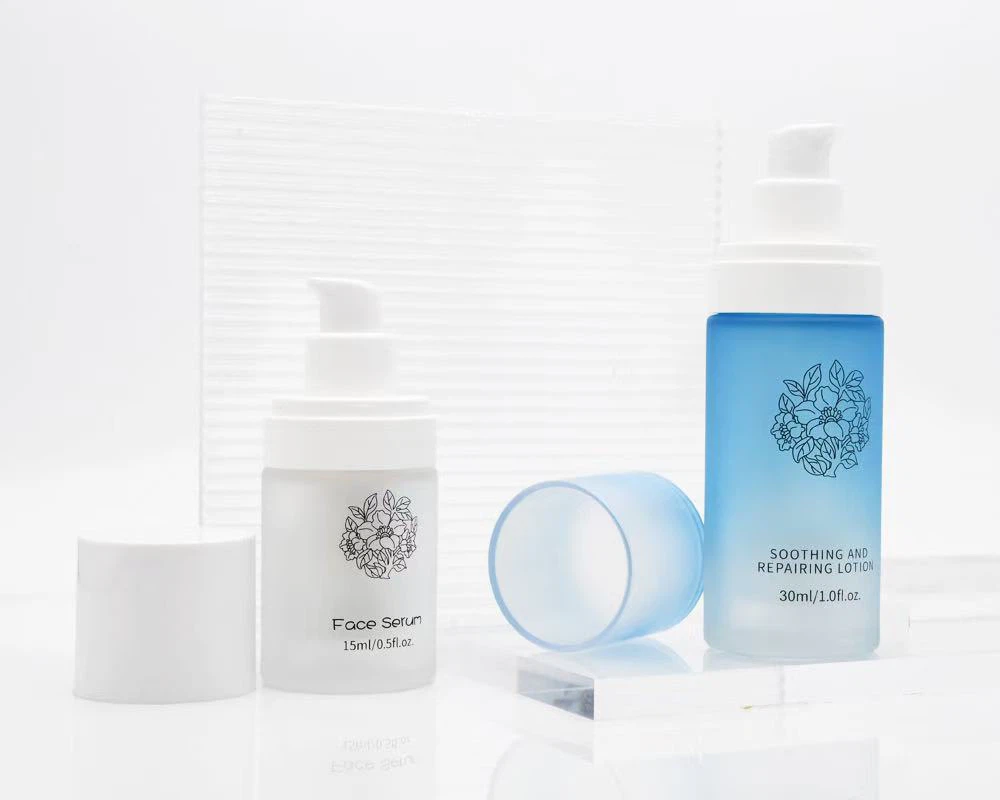
Analysis of Innovative Sustainable Packaging Materials
The Bio-Based Materials Revolution
- Bamboo Packaging: Bamboo, as a fast-growing renewable resource, is already used for making lipstick tubes, compact cases, and makeup brush handles.
- Mushroom Mycelium: This customizable biomaterial is fully biodegradable and has been successfully applied to perfume bottles and cream jars.
- Seaweed Extracts: Used to create water-soluble films suitable for individually packaged skincare and cosmetic samples.
Advancements in Recycled and Recyclable Materials
- Post-Consumer Recycled (PCR) Plastic: Many brands have begun using 100% PCR plastic for bottles and containers.
- Glass Innovation: Lightweight glass designs reduce carbon emissions from transportation while maintaining a premium feel.
- Aluminum Packaging: Infinitely recyclable with low energy consumption during recycling, suitable for products like lipsticks and solid perfumes.
Reusable and Refill Systems
- Modular Design: Allows consumers to keep beautiful outer packaging and only replace the inner refill.
- In-Store Refill Stations: Some brands set up product refill stations in physical stores to reduce single-use packaging.
- Smart Packaging: Incorporates IoT technology to remind users to refill products and direct them to the nearest refill point.
Practical Strategies for Implementing Sustainable Packaging
Integrating Eco-Conscious Thinking at the Design Stage
The success of sustainable packaging begins at the design stage. Adopting a "cradle-to-cradle" design philosophy considers the entire lifecycle of packaging, including:
- Minimizing material use (lightweight design)
- Ensuring all components are easily separable for recycling
- Avoiding composite materials (such as plastic-metal mixes)
- Using mono-material designs to improve recyclability
Supply Chain Transparency and Collaboration
True sustainability requires collaboration across the entire supply chain:
- Establish long-term partnerships with suppliers to jointly develop eco-friendly solutions.
- Track raw material sources to ensure compliance with sustainable harvesting and mining standards.
- Optimize logistics to reduce carbon footprint, adopting localized production to shorten shipping distances.


Consumer Education and Engagement
The success of sustainable packaging requires consumer understanding and participation:
- Clearly label packaging materials and recycling instructions.
- Share the brand's sustainability journey via social media.
- Establish packaging recycling incentive programs.
- Educate consumers on proper packaging disposal methods.
Challenges and Innovative Solutions
Cost Considerations
While initial investment in sustainable packaging is higher, in the long term:
- Costs gradually decrease with scaled production.
- Brand premium and increased consumer loyalty can offset some costs.
- Some countries offer subsidies and tax incentives for eco-friendly innovations.
Balancing Function and Aesthetics
Eco-friendly packaging must simultaneously meet:
- Product protection needs (leak-proof, oxidation-resistant)
- Ease of use
- Brand aesthetic expression
- Shelf appeal
Regulations and Certifications
Definitions and standards for sustainable packaging vary globally. Brands need to:
- Understand regulatory requirements in target markets.
- Obtain authoritative certifications (e.g., FSC, Cradle to Cradle certification).
- Avoid "greenwashing" risks by ensuring all environmental claims are substantiated.


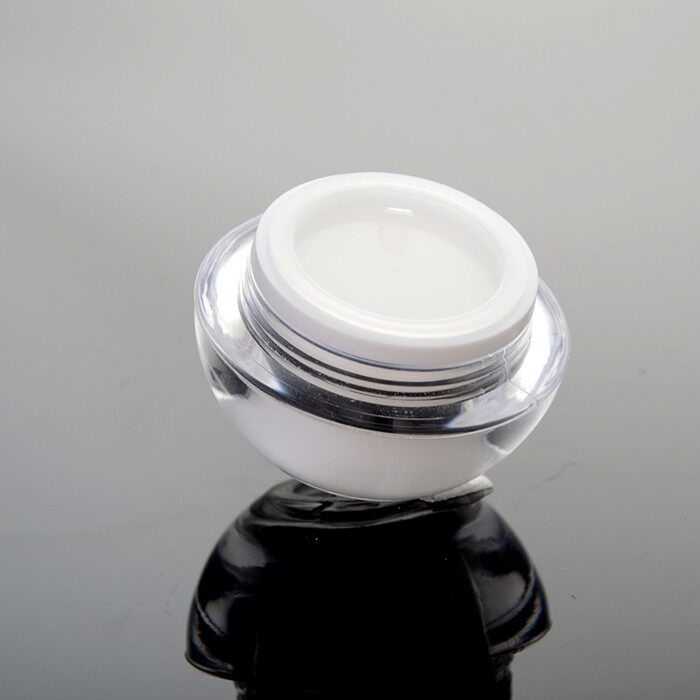

Case Studies of Leading Brands
Lush's "Naked Packaging" Revolution
By introducing solid shampoo bars, bath soaps, and naked skincare products, Lush has eliminated packaging needs entirely. Their face masks, scrubs, and other products also use simplified packaging that is recyclable or compostable, successfully reducing the use of over 120 million plastic bottles.
Kjaer Weis's Luxury Refill System
This high-end makeup brand designed elegant metal packaging, allowing consumers to purchase refills to replace product contents. Refills use minimal biodegradable materials, reducing packaging waste by over 80%.
Aveda's Leadership in PCR Plastic
Aveda began using post-consumer recycled plastic as early as the 1990s. Currently, most of its bottles are made from 100% PCR materials, and it continues to innovate with other renewable materials like sugarcane-based plastic.
Future Trends
- Integration of Smart and Digital Technologies: QR codes providing recycling information, blockchain tracing material origins.
- Water-Soluble Packaging: Suitable for single-use products like travel sizes and samples.
- Carbon-Negative Materials: Packaging materials capable of capturing and storing carbon dioxide.
- Closed-Loop Systems: Brands take direct responsibility for collecting and recycling their own packaging.
- Packaging as a Service: Consumers lease elegant packaging, returning it to the brand after use for cleaning and reuse.
Practical Advice for Independent Beauty Brands
For independent brands considering a sustainability transition, we recommend:
- Start Small: Begin by replacing one product's packaging or introducing one refill option.
- Be Honest and Transparent: If 100% sustainability isn't achievable, honestly share progress and challenges.
- Tell Your Story: Communicate the brand's sustainability mission through packaging and marketing.
- Collaborate with Like-Minded Suppliers: Seek supply chain partners equally committed to sustainability.
- Test and Iterate: Pilot new packaging solutions on a small scale, collect feedback, and optimize.
Conclusion
Sustainable packaging is no longer an optional add-on but a foundational element of the beauty industry's future. For modern beauty brands, embracing sustainable packaging is not only an expression of environmental responsibility but also a strategic choice to build deep connections with the growing base of eco-conscious consumers. Through innovative materials, intelligent design, and systems thinking, beauty brands can offer exceptional products while becoming stewards of the planet, achieving a win-win outcome of business success and environmental protection.
In this packaging revolution, every choice matters. When consumers open a beauty product, they not only expect its efficacy but also hope that this beauty does not come at the cost of the planet's future. Sustainable packaging is precisely the bridge connecting product beauty with Earth's beauty-and this is the future most worthy of investment for modern beauty brands.